Data is a resource that has become a vital element of the business world. It is able to create or destroy the company. Power BI, Microsoft Fabric and other tools that are powerful are used by businesses to unlock the full potential of their data. These platforms are the backbone of business intelligence. And when they are combined with Azure Data Factory, they are a powerful force for data analytics and decision-making.
Power BI Your Business Intelligence Companion
Power BI by Microsoft is an extremely powerful software for business intelligence that allows organizations to visualize and communicate their information. Users can create interactive dashboards and reports, turning raw data into useful insights.
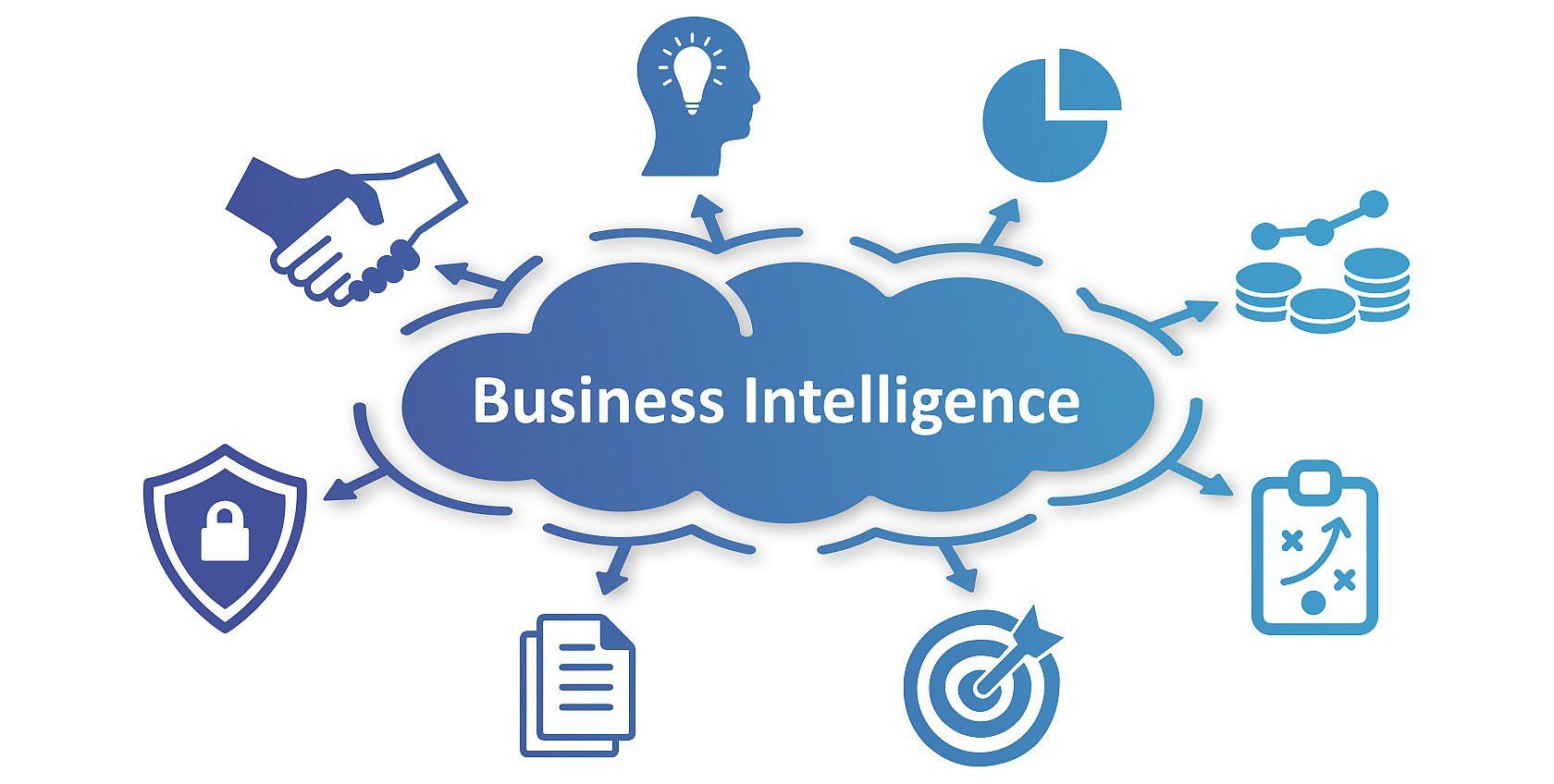
Whether you’re a small startup or a huge business, Power BI adapts to your requirements. Power BI combines seamlessly across many data sources and makes it easy to integrate data from multiple platforms and databases. Even non-technical users can use it to quickly produce meaningful reports and analyze data using its easy drag-and-drop interface.
Power BI’s platform provides instantaneous data processing. This means that you’re working with the most current data. It provides a variety of visualisations, which allows the data to be presented in a palatable and appealing way. Collaboration and sharing of data with colleagues improves decision-making, and promotes a data driven culture in your organization.
Microsoft Fabric Microsoft Fabric: The Weaving Together of Data Excel
Microsoft Fabric is the underlying system that connects and coordinates data across a variety of Microsoft services. The fabric is what weaves data into a cohesive entity that is able to be used by companies.
Microsoft Fabric is the foundation of data integrity and reliability as companies deal with ever-increasing amounts of data. It connects to a variety of services, ranging from Azure Data Lake Storage and Azure SQL Data Warehouse, to Power BI and more. The platform’s interconnectivity will ensure that data flows and insights are available across multiple sources.
Microsoft Fabric excels at data transformation. It is a great tool to wrangle data, cleanse and make it ready for analysis and make sure it is in line with the policies of your data governance organization. Microsoft Fabric is the framework that ensures your data is reliable precise, reliable, and well-prepared for analytics.
Azure Data Factory: the Gateway to Data Transformation
Azure Data Factory is another essential component in the modern business intelligence landscape. It’s a cloud-based data integration service that lets you to set up, schedule and manage data-driven processes. Azure Data Factory provides meaningful insights by orchestrating the movement of data and its transformation.
Azure Data Factory’s flexibility in connecting to different sources of data is one of its primary strengths. Your data can be incorporated seamlessly, whether it is located on premises, in the cloud or both. It will provide you with the complete picture of the entire ecosystem, regardless of where your data is. The platform can handle batch processing, real-time data streams, as well as big data analytics, which makes it ideal for a wide range of applications.
Azure Data Factory provides a visual interface to simplify the process of creating data pipes. Even if you’re not a coder it’s easy to create, schedule and monitor data pipelines. Users can be in charge of data integration and self-service data preparation.
Power BI with Microsoft Fabric, Azure Data Factory, and Power BI
When Power BI and Azure Data Factory is combined and merged, they form a formidable trio that will transform your data analysis processes. What they can do:
1. Data Integration: Azure Data Factory is capable of connecting to a variety of data sources. This makes sure that all data you have are available. The ability to integrate data is integrated into Microsoft Fabric, which orchestrates data across a variety of services. It makes sure that your data is well-organized, clean and is ready for analysis in Power BI.
2. Data Transformation: Microsoft Fabric plays a important role in data transformation that allows you to alter your data in order to satisfy your needs for analysis. Fabric is an effective tool to transform data, data cleansing and data wrangling.
3. Data Visualization: Once your data is cleaned and sorted, Power BI takes over. You can create visually appealing reports and dashboards which make data that is complex easier to understand. You can then share these insights and encourage your team members to take informed decisions using data.
4. Scalability: Azure Data Factory scales easily to handle the growing amounts of data. Additionally, the power of Power BI and Microsoft Fabric ensures that your data stays steady and reliable when your business grows.
5. Power BI & Azure Data Factory offer real-time data that is vital for a fast and efficient decision making.
Also, you can read our conclusion.
Business intelligence is changing rapidly and companies must leverage the power of data in order to remain competitive. Power BI, Microsoft Fabric and Azure Data Factory offer a powerful set of tools that can take your business intelligence efforts to new heights. The trio of tools can assist users create stunning visualizations as well as improve consistency of data and speed up workflows. Discover the potential of your data through the use of business intelligence.