Pancreatic Cancer is one of the cancers that can be extremely difficult to diagnose and, even more difficult to treat. Infected by the pancreas organ essential to digestion and blood sugar control, the disease is typically diagnosed in advanced stages because of its subtle inconspicuous symptoms. Although genetics are important in determining the risk of developing this disease, lifestyle factors such as diet and nutrition can have an impact on the likelihood of developing this condition. Understanding the relation between pancreatic cancer’s nutrition, diet, and prevention will help people take active steps towards an improved lifestyle.
The Main Causes of Pancreatic Cancer is when the pancreatic cells the pancreas multiply uncontrollably and develop into malignant tumors. While the exact cause is not always known, a number of factors are believed to increase the risk:
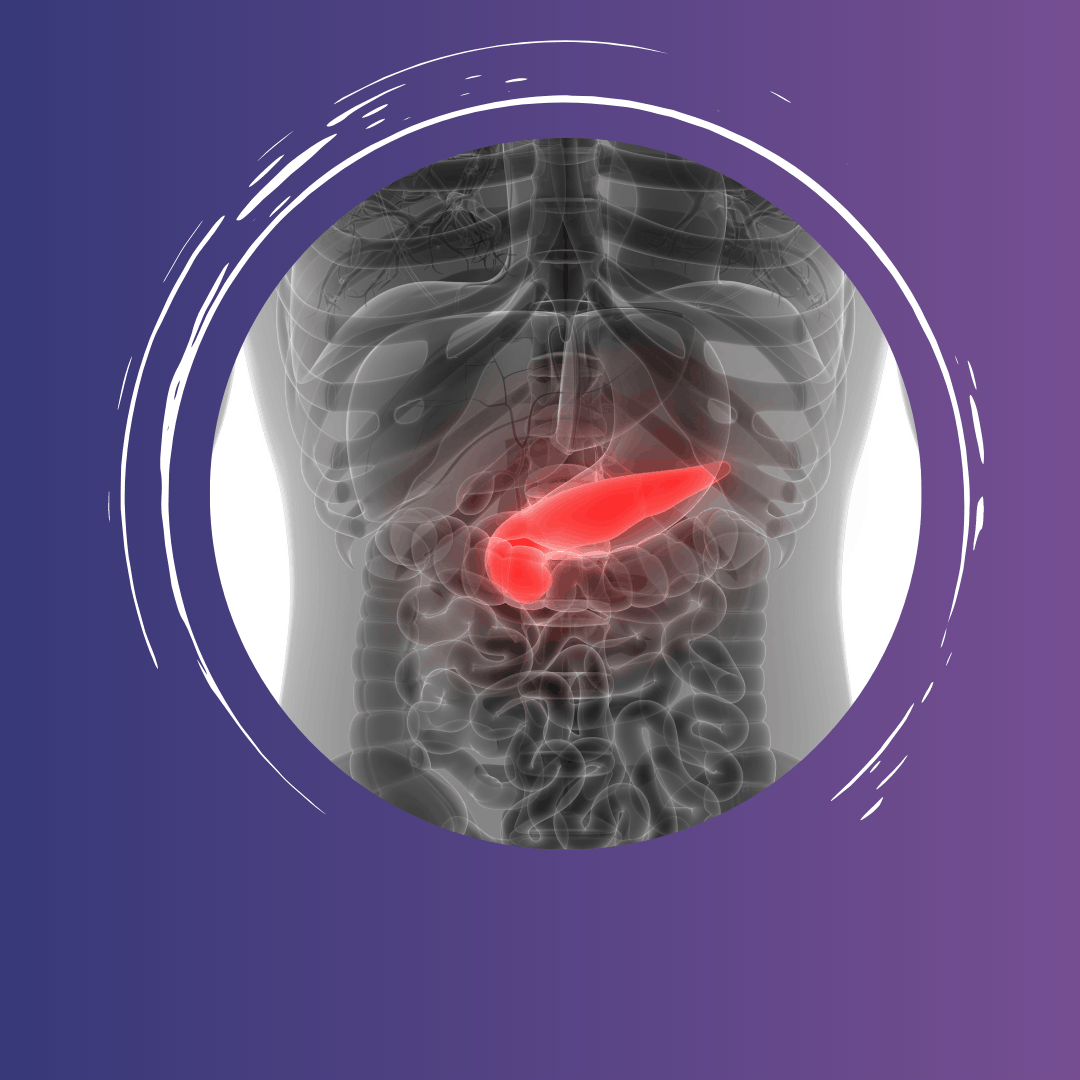
Image credit: trovanow.com
1. Lifestyle Factors : Smoking cigarettes is one of the most significant risk factors, as it introduces carcinogens that can damage pancreatic tissue. Furthermore, obesity and a habit of sitting can contribute to chronic inflammation, which may induce the development of cancer.
2. Nutrition and diet A diet that is high in processed meats, refined sugars and unhealthy fats may increase the risk of developing pancreatic cancer. These food items can cause inflammation, oxidative stress and insulin resistance conditions linked to the disease.
3. Family History and Genes A person who has a history of pancreatic cancer or other cancers might be born with genetic mutations that lead to developing the cancer.
4. Chronic Medical Conditions The chronic pancreatitis and diabetes are two conditions that can increase the risk of pancreatic cancer. It is believed that this is due to the continual inflammation and stress that they cause.
Nutrition as a Prevention Measure for Pancreatic Cancer
Nutrition plays a pivotal aspect in reducing the likelihood of pancreatic cancer. The pancreatic cancer diet concentrates on incorporating foods that help support the health of your pancreas, decrease inflammation, and boost your body’s protection against cancerous growths.
Included Foods
1. Fruits and Vegetables: Rich in antioxidants, vitamins and minerals, fruits and vegetables help neutralize free radicals and lower oxidative stress. The leafy greens, cruciferous veggies as well as berries are all beneficial.
2. Whole grains are loaded with Fiber: Whole grains, such as brown-rice, quinoa, and oats, contain lots of fiber which aids digestion and stabilizes blood sugar.
3. Omega-3 Fatty Acids like flaxseeds and walnuts can reduce inflammation and promote cell health.
4. Nuts and Legumes : These are excellent sources of plant-based protein, fiber, and the essential nutrients to support overall health.
5. Spices like Turmeric and Ginger They are known for their anti-inflammatory properties which can be easily included in meals to provide additional health benefits.
Foods to Avoid
1. Processed meats can be contaminated by substances that can cause cancer such as nitrates.
2. Refined sugars: Sugar intake which is too high may result in insulin resistance. Insulin resistance is a risk factor in pancreatic cancer.
3. Chronic alcohol abuse can lead to pancreatic inflammation and damage.
The importance of a balanced Diet for Pancreatic Cancer
Balanced diets are not just beneficial in reducing cancer risk, but also support those who are undergoing treatment. It is vital to preserve health, energy, and immunity during treatment for cancer. Nutritional advice that is well-balanced will have a positive impact on recovery.
Small and light meals as well as water
Constipation is a frequent issue for patients with pancreatic cancer. Being hydrated can aid in reducing constipation.
Protein-Rich Foods
Protein is vital for immune function and tissue repair. Lean meats, fish eggs, as well as plant-based proteins are essential in the diet of patients with pancreatic cancer.
Preventing Pancreatic Cancer: Beyond Diet
A healthy diet is important, but other lifestyle modifications are equally important for preventing pancreas cancer
1. Quit smoking. Smoking is known to be an risk factor. Quitting smoking reduces the risk of developing pancreatic and other cancers.
2. Maintain a healthy weight : Being overweight can cause insulin resistance and inflammation, which are both associated with pancreatic cancer. A balanced diet and regular exercise can help you achieve and maintain the weight of your body in a healthy way.
3. Regular medical checks : Early detection is vital to the treatment of pancreatic cancer. People with a history of pancreatic cancer, or with other risk factors should talk to healthcare professionals about screening and monitoring.
4. Limit the consumption of alcohol Alcohol consumption that is excessive could affect the pancreas, and increase cancer risk. Moderation is essential.
5. Manage Chronic Conditions. By controlling pancreatitis, diabetes and other chronic illnesses by taking medication, diet and lifestyle changes Cancer risk can be reduced and stress on the pancreas is reduced.
As research advances, the link between pancreatic cancer and nutrition becomes increasingly clear. Researchers continue to study how certain food items, diet habits, and lifestyle decisions influence the risk of getting cancer. Nutrition plans that are tailored to the individual genetic profiles and health status could soon become an integral part of cancer prevention and treatment.
Knowing the causes of pancreatic carcinoma and the impact it has on diet and lifestyle enable people to adopt preventive measures. A pancreatic-cancer diet that is rich in food sources that are free of harmful chemicals and high in whole foods could help lower the risk of developing this disease and improve your overall health. When combined with regular checks and lifestyle modifications that are proactive, it is possible to reduce the chance of developing this ailment and improve the outcome for those already afflicted.
Each small tweak can be a big difference. Start by eating your meals, as nutrition is the first step to prevent disease.