In recent years, the usage of electronic cigarettes has risen leading to concerns over safety and health. Vaping can cause indirect smoke exposure that is especially dangerous in indoor settings like office buildings, schools and homes. To deal with this issue the majority of people are looking to a vape detector which are able to monitor and detect vaping indoors. This article will discuss the different kinds of vape detectors, their features and how they are used in different situations.
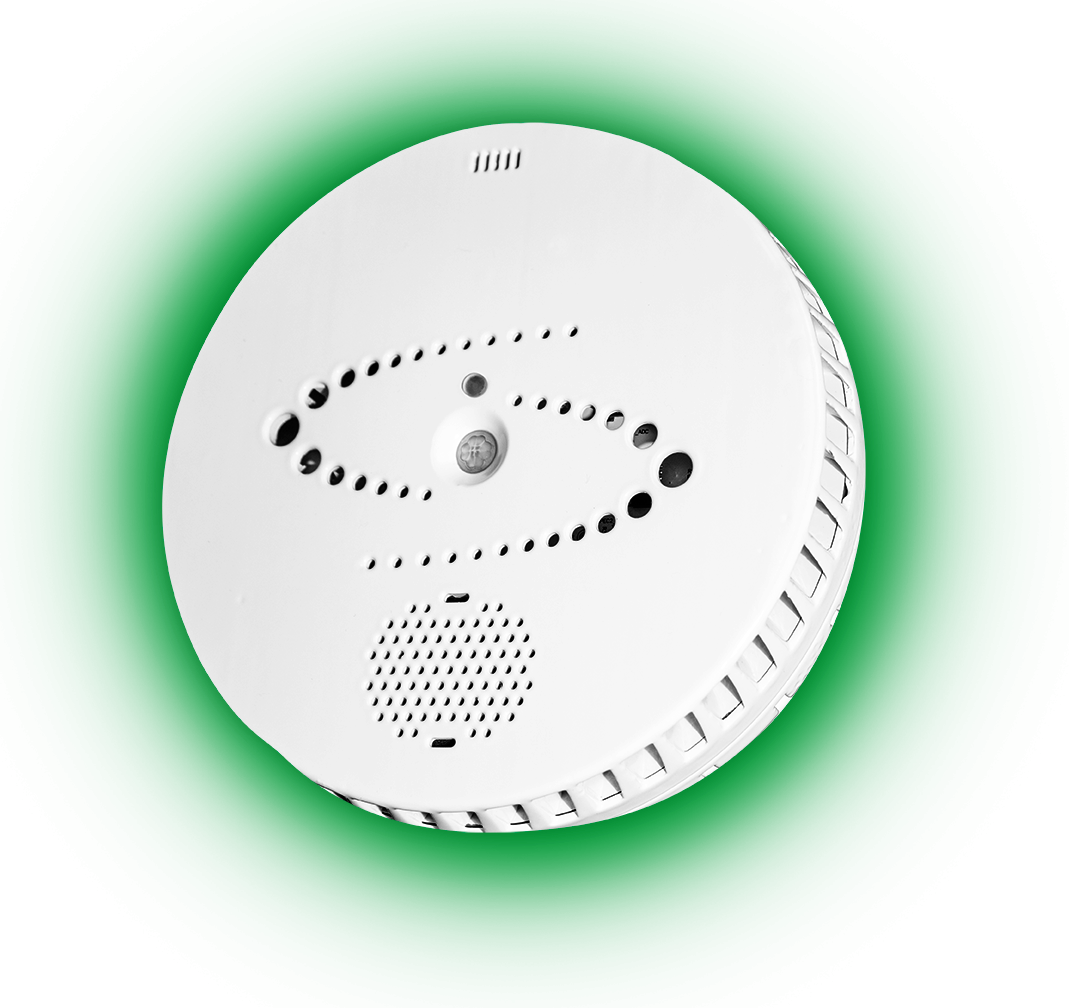
Vape detectors are electronic gadgets that use sensors to detect the presence of smoke from vape or particles in the air. They are designed to give a quantitative assessment of the indoor vape emission, which can help in enforcing no-smoking policies and identify areas where people may be vaping. There are a variety of vape detectors including those that could be utilized in public spaces as well as in schools or at home.
Vape detector for schools use are becoming increasingly popular among families who want to protect their children from the harmful effects of secondhand smoke. These detectors are typically compact and subtle, and can be put in any room of the house in which vaping could occur, including bedrooms or living spaces. They make use of a variety sensors for detecting vaping, including PM2.5 sensors that can detect the emission of particles from vaping devices. Vape detectors for home use have smartphone apps that can alert you when vaping is detected.
Schools are a different setting where vape detectors can be used to address the issue of indoor vaping. A lot of schools have implemented smoking-free guidelines, as well as prohibiting the use of vaping devices. Vape detectors can help administrators enforce the rules by identifying areas where students could be using vape. They are usually installed in common areas, like bathrooms, hallways, or locker rooms. They may also be connected to an automated monitoring system that warns administrators if vaping is identified.
They are more advanced than those made for home use, since they cover a greater area and are able to distinguish between smoking (and other forms of smoke) and particles. They employ a range of sensors that detect the vaping. This includes laser scattering sensors. Some models can differentiate between various vaping devices, like e-cigarettes and vaping pen.
Vape detectors are often found in public places such as casinos, hotels, and offices. These detectors are made to provide a safe and healthy working environment for employees and guests by monitoring the quality of indoor air and finding vaping. They can be installed in areas like lobbies and conference rooms. They also provide information regarding indoor air quality.
Laser scattering technology is among the most important characteristics of a vape detector. It is able to detect particles of smoke from a vape. This technology can detect even tiny amounts of vape smoke. It functions by shining a light beam into the air and detecting the scattering of light caused by particles. These devices allow vape detectors to provide highly accurate readings of indoor air quality and pinpoint areas where vaping is prevalent.
Vape detectors for the home come with an additional feature: they can be connected to apps for smartphones that send out alerts and notifications in real-time whenever vaping has been identified. This feature can be very useful for parents looking to monitor the habits of their children’s smoke and school administrators that want to know the time when students smoke. Certain vape detectors are also equipped with cloud-based storage of data, that can be beneficial to track patterns in indoor air quality and identifying areas that might require additional monitoring.
Vape detectors provide an easy method to identify indoor vaping in the home, at schools, or other public spaces. These devices make use of various technologies and sensors to give accurate readings on indoor air quality. They also connect to mobile applications that provide real-time notifications.
Vape detectors safeguard those who are exposed indoor air pollution. Vape detectors are able to eliminate distractions and allow us to focus on monitoring air quality. Although the technology is still relatively new, its effects are yet to be fully studied, there is a belief that these devices can enhance the indoor air quality as well as overall health. Vape detectors’ technology has been proven to be highly effective in capturing harmful elements such as carbon monoxide (CO), ultrafine particulate material (PM2.5) as well as volatile organic compounds. Vape detectors detect the products vaping with more accuracy and speed than they did before. Vape detectors are a great technological advancement for health and safety. The popularity of this technology is growing, and in the future, it could help us to stay safe from the risks associated with smoking or vaping inside our homes.