Innovation is a key factor for electronics. As the need for smaller as well as more flexible and high performance electronic devices continues to rise, manufacturers are looking for new ways to revolutionize production. The production of flex circuits is among of the latest technologies that has gotten a lot of attention.
Flexible printed circuit boards also known as Flexible Circuits (PCBs), have many advantages over rigid PCBs. These circuits are extremely versatile that can bend, twitch and adapt to different forms. They are ideal for applications which require intricate designs or have space limitations and also for increased durability.
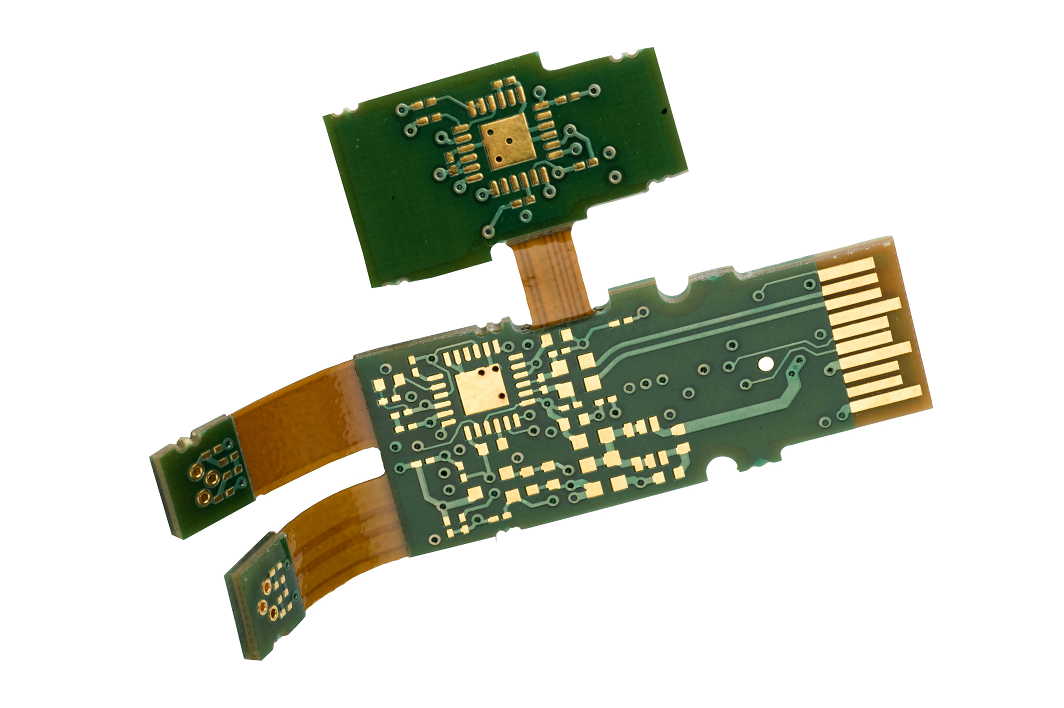
Flex circuits help manufacturers challenge the limits of design by providing an adjustable foundation that can be adapted to the curves of the product. This flexibility enables design concepts that are more compact and innovative that eventually result in smaller and lighter products. Imagine a phone that wraps around your hand, the wearable health tracker which is tucked away around your wrist, or an intelligent appliance that has a seamless, ergonomic form. Engineers and designers can turn their designs into reality thanks to Flex Circuits. They allow users to explore a myriad of new possibilities in product design.
Beyond the aesthetic advantages, the durability of flex circuits is what sets them apart from rigid circuits. Traditional PCBs are susceptible to damage by shock, vibration or repeatedly bending. However, flex circuits have been built with specially-designed materials that are able to withstand the challenges that come with them, making them extremely reliable in harsh environments. This particular durability is crucial in fields like aerospace, automotive and medical, in which electronic components must endure extreme environments without compromising their performance.
Flex circuits are a very versatile product. Manufacturing methods employed for their production are a major factor in the quality of this. Flex circuits, unlike rigid PCBs, are made of a flexible material such as polyester or polyimide. The substrate serves as the core of the circuit, allowing it to be bent or twisting while maintaining electrical connectivity. Flexible circuit makers are able to precisely cut circuit trace, create intricate interconnects, and connect components onto the flexible substrate by leveraging modern manufacturing techniques.
The incorporation of components directly to the flex circuit known as surface mount technology (SMT) can further increase the functionality and flexibility of the circuits. SMT lets manufacturers place electronic components on top of flex circuits. These connectors can be removed and the overall size of the device decreases. This simple approach does not just reduce the size of the device, it also improves signal quality, lowers weight, and improves thermal management.
Flex circuit manufacturing allows for rapid prototyping as well as scalable production. Flexible circuit designs allow rapid iterations to be made while prototyping, which speeds up the process of designing products. Flex circuits are also economical for high-volume manufacturing, since they can be manufactured in large numbers using automated manufacturing techniques. This makes flex circuits the ideal option for businesses seeking to get their creative ideas onto the market in a short time. For more information, click flex circuit manufacturing
The availability of reliable flex-circuit manufacturers is growing increasingly important since the need for flexible electronic devices continues to increase. It is essential to work with trusted, seasoned manufacturers in order to ensure the precision and accuracy in the manufacturing of flex circuits. They possess the expertise and know-how to guide you through the design process offer valuable insights into the selection of materials and guarantee compliance with industry standard.
In the end, flex-circuits are essential components that enable modern electronic assemblies to achieve the highest degree of complexity. They are at the core of various complex systems, ranging including displays in consumer goods to military applications. Because they can move easily through compact spaces, flexible substrates give engineers the capability to make their designs feature-rich while still fitting into tiny footprints of assembly. Although there are other ways to connect circuits, they do not be compared to the mechanical or electrical characteristics of flex assemblies when it comes to meeting the tightest size specifications. Flexible circuits are by far the best option for projects that require intricate interconnections that combine multiple technologies into an elegant system.