In the modern age of digital technology the need for a reliable and stable WiFi signal is essential to ensure uninterrupted connectivity and efficiency. The key to getting there is the precise positioning of an Wireless Access Point (WAP). It is vital to place your WAP in a position that enhances wireless signal strength and stability. Let’s explore the importance of WAP devices and how to choose the best home access point for optimal wireless connectivity.
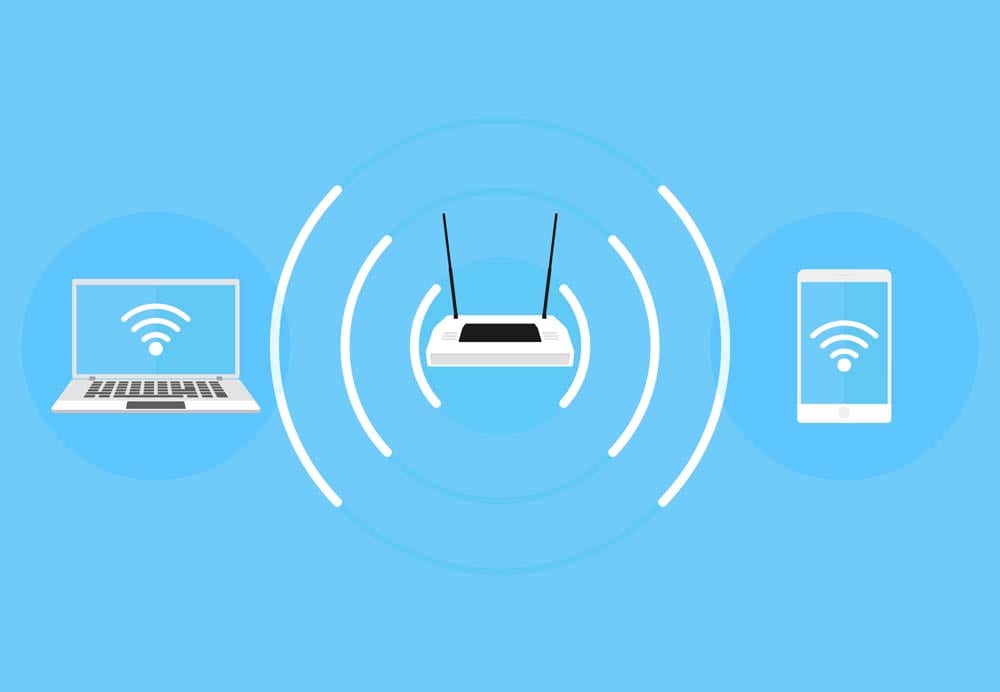
Wap Wireless access point is a vital networking device which allows wirelessly-enabled devices connect to networks wired using WiFi or other standards. It is a crucial device to extend the range of your network and eliminating the requirement to use bulky cables. WAPs WAP receives data from a network router via an Ethernet cable, then converts it into a wireless signal. This signal can be detected by WAP devices, providing them with connectivity to the network.
The Impact of WAP Placement
A WAP must be strategically placed to provide a strong and reliable WiFi network throughout your area. The location of the WAP impacts the range, performance, and strength of the signal on your WiFi network. The placement of the wireless access point in the most optimal position will aid in reducing interference, and improve the coverage, while also improving connectivity for users.
Factors that influence the strength of WAP’s signal
A variety of factors can influence the signal that a WAP transmits to your devices. This includes:
Signal strength is the potency of the signals sent by WAP.
Range: The distance across which the WAP can transmit a strong and stable signal.
Interference Reception of interference or electronic devices can interfere with the WiFi signal.
Finding the Best Access Point for Home
It is vital to choose the correct WAP for your work or at home for the best WiFi performance. Take into consideration these aspects when selecting the right access point for your home:
Signal Strength and Range: Select an WAP with an excellent signal and a broad coverage. This will ensure that the WiFi signal can be accessed anywhere you’d like without dead spots.
Select a WiFi with features that minimize interference. Triple-band or dual-band technology can be utilized to navigate WiFi channels that are jammed.
Ease of Setup and Configuration Make sure you choose a WAP which is simple to set up and set up. Simple installation processes as well as intuitive user interfaces will save you both time and energy.
Security Features: Prioritize to WAPs with robust security features like encryption protocols as well as security options. This will help protect your network and data.
Scalability: Make sure that the WAP can handle the devices you plan on connecting. A WAP that can be expands with your network demands and will be a reliable investment.
The optimal placement of WAPs is to maximize performance.
Central Location: Place the WAP in a central area to ensure an even distribution of the WiFi signal throughout your space. This will minimize dead zones, as well as ensure a consistent connection throughout the structure.
The WAP can be placed in a higher location for example, on the ceiling or wall. This will allow you to broadcast the signal more efficiently while also enhancing coverage. eliminate obstructions.
To avoid interference, keep WAP clear of objects or materials that could cause interference, for example wireless phones, microwaves or even metal structures. This helps maintain a clean and solid WiFi signal.
Professional Assessment: Consider consulting with IT experts to conduct a thorough assessment of your area. They can determine optimal WAP locations based on particular specifications.
We also have a conclusion.
In the age of changing technology, having a strong WiFi connection is not a matter of choice. Wireless Access Points are essential for this, since they extend your network and offer a reliable WiFi connection. Placement of your WAP carefully and deciding on the best wireless access point is one of the key factors in achieving optimal WiFi performance.
It is worthwhile to invest time and effort into evaluating the available space as well as understanding the factors that influence WAP signal strength, and taking into account essential features of WAPs. The art of positioning WAPs can help you maximize the potential of your WiFi and ensure uninterrupted connectivity.