The hum of a furnace in the cold winter night can bring peace for a lot of homeowners. In many cases, the oil tank – the unnoticed hero behind that warmth – goes unnoticed until a potential issue arises. But proactive maintenance, like oil tank replacement, is crucial for your home’s safety and efficiency. We’ll assist you in understanding the costs for replacing the oil tank, and help you make a well-informed decision regarding this investment in your home.
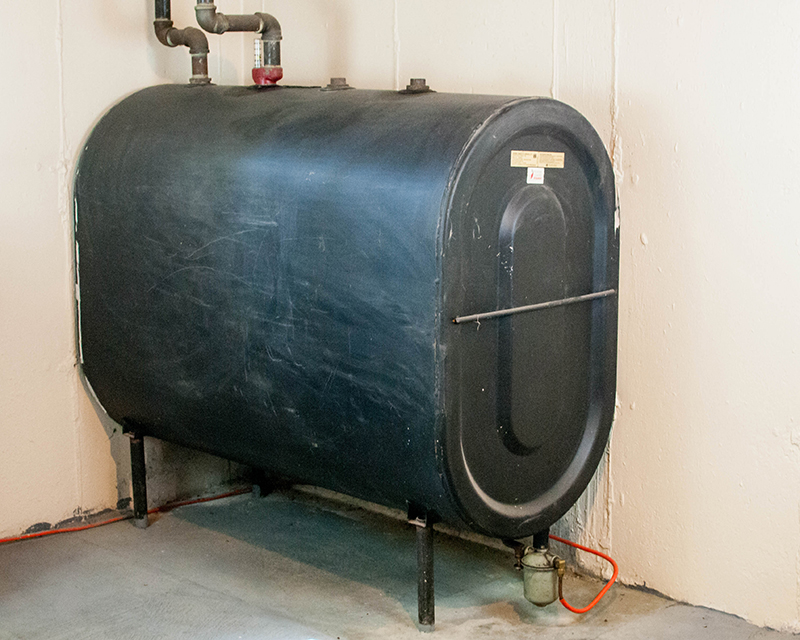
The Importance of Oil Tank Maintenance: Avoidance is the most important factor.
Many homeowners do not realize the importance of maintenance for their oil tank. A well-functioning oil tank is essential to the overall infrastructure of your house. It is vital that as the responsible owner of a home make sure that your heating system as well as the oil storage container are working efficiently and safely. An oil spill of a small size can transform into a massive environmental and financial issue in the future.
Understanding Average Costs: A 275 Gallon Case Study
When budgeting for home maintenance tasks, knowledge is power. Let’s look at the average cost of replacing an oil tank that is 275 gals that is the standard size for heating systems used in residential homes. In Massachusetts, New Hampshire, Rhode Island and Connecticut the cost for replacing a 275-gallon oil tank is $3,600. This price is based on an easy replacement in the basement or outside with no significant access problems.
Oil Tank Replacement The issue is not just about price.
It’s important to consider the replacement of the oil tank as an investment that can benefit your home in terms of safety and convenience. Here’s why:
Safety first: Old oil tanks could leak, creating danger of fire, and also contaminating the environment. This risk can be eliminated by replacing your tank, giving you and your family peace of assurance.
Maximum Efficiency: Older oil tanks may become less efficient over time and will require more frequent oil delivery to maintain warmth. Newer tanks are more efficient, which can cut your heating costs over time.
Feel Peace of Mind The new tank will give you years of reliable service. It also takes away the anxiety of unexpected breakdowns or leaks in the winter months.
Factors Affecting Oil Tank Replacement Costs
A 275-gallon tank replacement costs $3,600 on average. This is a great starting point. Many factors can influence the final price
Tank size: It’s evident that bigger tanks will cost more to replace.
Tank Location: Removing the tank that is buried and reinstalling it will usually cost more than doing it in a basement or crawlspace that is accessible.
If you own a tank that is hard to access due to the proximity of structures or an area that is tight the cost of labor will be more expensive.
Proper disposal of tanks that are not properly cleaned could result in additional costs.
Planning for Your Home’s Future Planning for the Oil Tank’s Replacement
Tanks of oil can last from 15 to 30 year subject to a myriad of variables. If you know the approximate age, you can plan ahead to replace your tank before problems occur. You might want to schedule an inspection by a professional in order for you to receive a precise estimate on replacement.
Make sure you invest in your home’s security and sustainable development
Removing your oil tank isn’t only about preserving warmth and comfort; it’s also an investment in sustainability. Older tanks for oil can leak over time, contaminating soil and groundwater. Modern oil tanks follow stricter environmental guidelines, which ensures responsible oil storage while minimising environmental harm.
Knowledge is Power: Taking the reins of your home’s well-being
Make informed choices regarding your home’s maintenance needs by understanding the costs of changing an oil tank. Prioritizing tank exchanges that are proactive will ensure that your heating system is reliable, safe and environmentally friendly for many years. Don’t be caught off guard by a possible oil tank issue during the winter’s hottest days. Set a budget and plan for this maintenance task to ensure you’re warm and cozy during the coldest of winter months.