In every kitchen that is professionally designed the flooring performs more than just provide support for equipment and the footfall. It’s crucial for sanitation, safety, and long-term operational success. It is essential to select the appropriate commercial flooring since it can have a direct effect on hygiene standards, worker safety and regulatory compliance. In highly-demand settings in which heat, spills and heavy usage are constant and frequent, flooring alternatives such as tile often fall short. Companies in the region are switching to seamless flooring systems that work better, specially designed for the food industry.
High Performance Systems, a leader in flooring solutions, has been providing long-lasting non-porous floors since the year 1988. The floors eliminate issues such as cracked grout lines and the buildup of bacteria. Their experience in commercial flooring NJ ensures restaurants, food processors and commercial kitchens get solutions specifically tailored to specific needs.
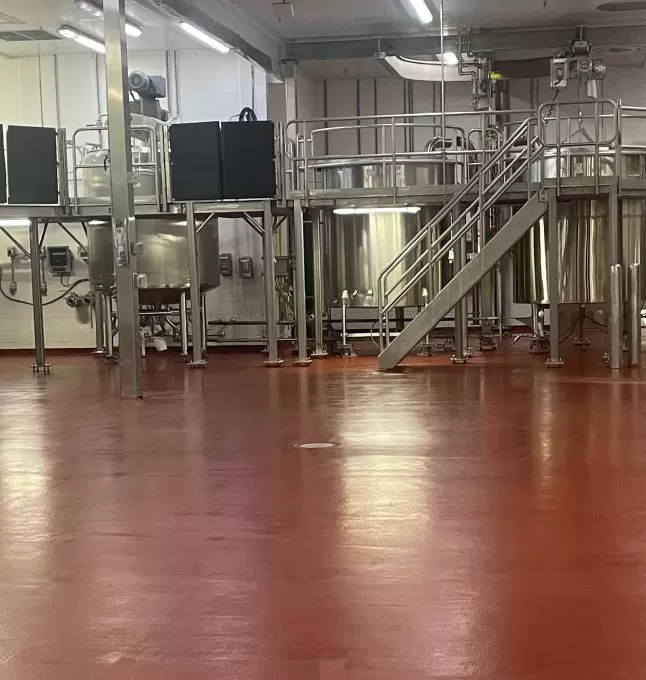
Why is Seamless Flooring Better than traditional tile
The tile flooring of the past may appear to be an ideal initially, but over time it could lead to hidden issues. Grout lines absorb water, hold food particles and become an ideal breeding ground for bacteria. In contrast, seamless cements made of urethane and epoxy provide a continuous, non-porous surface that is easy to clean and disinfect.
This is particularly important for those facilities that must adhere to strict requirements for food safety. Hygiene is of paramount importance when it pertains to USDA commercial kitchen floors. Seamless flooring reduces the risk of contamination and complies with strict cleaning procedures and helps kitchens remain compliant with no additional effort. It creates a safer workspace for employees, and a healthier working environment for food preparation.
Additionally, floors that are seamless are more robust. Heavy equipment, constant footfall and frequent cleaning can damage traditional flooring. Epoxy-urethane surface resists chemical exposure, impact and scratching. This guarantees long-term durability.
Built to withstand the most extreme conditions
Commercial kitchens can be harsh places for flooring. Rapid temperature changes from ovens, fryers, and freezers can cause conventional materials to crack or deteriorate. Urethane cement flooring, however, is engineered to deal with thermal shock by expanding and contracting with temperature fluctuations.
Its durability makes it a good choice for SQF kitchen flooring, where durability and safety standards are essential. Slip-resistant surfaces increase workplace safety by reducing the risk of accidents. These advanced systems provide stability and traction when dealing with grease or water.
One of the major benefits is that it can be able to withstand washing at high temperatures. Only floors that are specially designed for this purpose can stand up to the pressure of regular deep cleaning with high temperatures as well as harsh chemicals. High-performance coatings ensure that the surface remains intact, hygienic, and visually appealing over time.
Faster Installation, Minimal Downtime
One of the main problems when upgrading kitchen flooring is operational disruption. Kitchens that are shut down for days, or even weeks, could result in significant revenue losses. Modern flooring systems are developed to allow for fast installation and curing.
High Performance Systems is a expert in projects that can be completed quickly. This allows businesses to resume their operations quickly and with little downtime. In most cases, urethane-cement systems are able to be installed directly over the existing surface. This can reduce demolition costs and speeds up the installation process. This is why upgrading to the latest commercial kitchen flooring NJ an affordable option rather than a logistics burden.
Food production facilities and restaurants benefit by being able to put in fast without compromising the quality. It ensures that kitchens are safe and efficient without sacrificing quality.
Cost and value savings in the long-term
Although the initial investment for flooring with high-performance is more expensive than other flooring options, the long-term benefits outweigh this cost. These floors require less maintenance, cut down on the amount of time needed for cleaning and also reduce the requirement for repairs or replacements. These floors will last for a longer lifespan because there are no grout lines or weak spots.
In addition, better security features can reduce the risk and expenses associated in workplace accidents. Better hygiene also leads to more thorough inspections, which are vital to maintain certifications as well as customer confidence.
Making an investment in USDA commercial flooring, also known as SQF kitchen flooring is a fantastic option for companies to be in compliance with industry standards and increase efficiency.
Modern Food Service Facilities: More Smarter Options
The requirements of modern commercial kitchens demand more than simply flooring. They demand systems that enhance safety, promote compliance, and stand up to continuous usage. Seamless epoxy or urethane solutions give you the strength, durability performance, and safety that modern kitchens expect.
High Performance Systems is the pioneer in the field of innovative flooring solutions. These flooring solutions combine long-term functionality with premium. Whether upgrading an existing facility or building a new one, choosing advanced commercial kitchen flooring is a strategic decision that pays off in safety, efficiency, and peace of mind.