Industries today are facing the era of speed, flexibility, and efficiency are no longer a luxury, they are essential. The old infrastructure, which is expensive and difficult to modify can’t meet the growing demand for distributed and real-time analytics. ScalerPi brings a fresh perspective on the subject by combining edge computing and the practical aspects of engineering. This enables solutions that can scale.
The Raspberry Pi is at the at the heart of this new revolution, which allows companies to reconsider their methods of designing and managing systems. Instead of relying on centralized, bulky equipment, companies are now able to utilize lightweight and robust devices that function directly at the point where data is generated. This technique not only lowers the amount of latency, but also allows teams to react instantly to changing conditions.
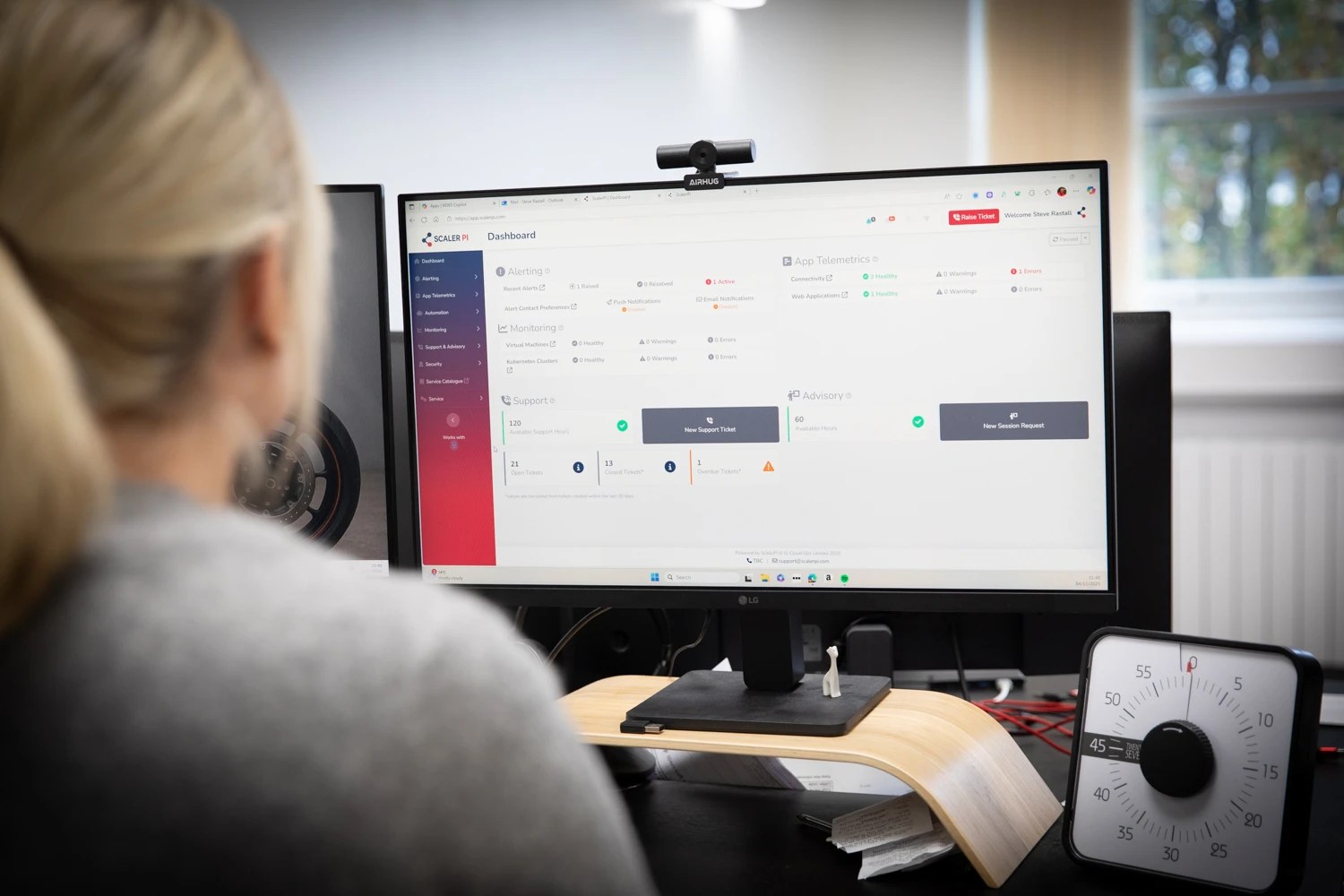
Data-driven Action at the Edge
The ability to handle information locally is the real benefit of edge computing. In a lot of industrial settings, waiting for cloud-based systems to react isn’t feasible. ScalerPi solves this problem with an infrastructure that is able to be operated independently, but also being able to connect with larger systems when needed.
The industrial Raspberry Pi IoT Gateway is one of the key components in this set-up, since it acts as a central point of connection for devices and applications. It enables seamless communication across sensors, machines, and software platforms, assuring that data flows safely and efficiently. This allows you to monitor operation in real-time, identify issues early, and maintain an even performance across several locations.
This capability can be transformative in industries like logistics and environmental monitoring. Systems can operate even in areas with low connectivity or even remote locations to ensure that data and operations remain available.
Compact Power for Demanding Environments
One of the most difficult issues in industrial computing is to balance efficiency and practicality. Although large servers can be powerful however they are costly and consume a lot of energy and provide limited flexibility. ScalerPi solves this issue with an industrial Raspberry Pi server that provide efficient computing in a energy-efficient and compact size.
They are ideally suited for areas with limited space and power. Whether deployed in a factory or a retail outlet or a remote monitor station, they provide consistent performance without the need for an extensive infrastructure. Modularity allows companies to expand their systems slowly, depending on actual requirements.
The tiny industrial Raspberry Pi module server takes this concept a step forward and gives you more flexibility. Built for demanding conditions, these servers combine durability with the latest processing capabilities. They are perfect for projects that require continuous operation, for instance smart city systems or industrial automation configurations.
Flexible Deployment through Containerized Delivery
Containerization is an essential element of the modern infrastructure. ScalerPi integrates industrial Raspberry Pi docker environments to enable flexible and efficient application management. Docker allows businesses to deploy as well as scale and update applications without disrupting their current operation.
This makes it easier to develop the process and assures that the application is consistent across deployments. Applications can be tested on one platform before being seamlessly transferred to another, reducing the possibility of mistakes and improving overall reliability. This level of control can be extremely valuable for businesses that manage multiple sites.
Containerization also facilitates innovation. Teams can try out new services or features without having to alter existing systems, helping them stay ahead of competitors in the industry.
Practical Solutions for Multiple Industries
ScalerPi’s strengths lie in its capacity to be able to adapt to different industries. In manufacturing, industrial automation using Raspberry Pi allows for pre-planned maintenance, which can help reduce the time of breakdown and boost efficiency. Machines can communicate and share data, creating a more connected and intelligent production environment.
In the agricultural sector, edge-based technology can allow farmers to implement more intelligent practices for farming. Sensors can monitor crop health and soil conditions. They also track weather patterns.
The hospitality and retail industries benefit from real-time insights into customer behaviour. Companies can enhance their operations while improving customer satisfaction. From digital signage to queue management, to the use of digital signs, businesses are able to improve customer service. While public sector initiatives, including smart cities, depend on advanced infrastructure for tasks like monitoring the environment and tracking of assets.
Bridging Hardware and Cloud without a doubt
ScalerPi’s ability to bridge physical devices with cloud-based systems is what makes it stand out. Combining hands-on experience in hardware and modern cloud technology makes a platform that can support local processing, as well as central management.
This strategy allows businesses to grow without difficulty. No matter if you are starting small or expanding thousands of devices the infrastructure you have in place will be easily manageable, safe and cost-effective. Flexible pricing and transparent pricing aid in the process and allow organizations to concentrate on innovation instead of operational issues.
A Future-Ready Approach to Industrial Technology
The demand for a reliable and adaptable infrastructure will continue to grow as industries develop. ScalerPi is a solution which meets these needs through combining edge computing power and Raspberry Pi technology.
Each part, which includes industrial Raspberry Pi Servers, advanced IoT gateways and containerized apps is built to be scalable and efficient. The infrastructure does not only meet current business requirements however, it also prepares for tomorrow’s challenges.