An extinguisher for fires should be an integral part of every home. They should be put in place at every level of your house, and that includes the garage and kitchen areas where you could be at risk of fires that result from cooking errors or other incidents that may occur when you’re working on maintenance tasks outside, such as fixing around pipes, etc. This prevents disasters like these from happening.
It is essential to think about the dimensions of your fire extinguisher. This will affect the amount of chemicals you will use as well as affect what you are trying to combat. The ideal fire extinguisher to you is one that will meet your needs. This is a matter of size and weight as well as the type. The Safety Features label is mandatory for pressurization. It provides instructions for proper handling, due to the high-pressure system’s inherent risks, which aren’t found in civilian use.
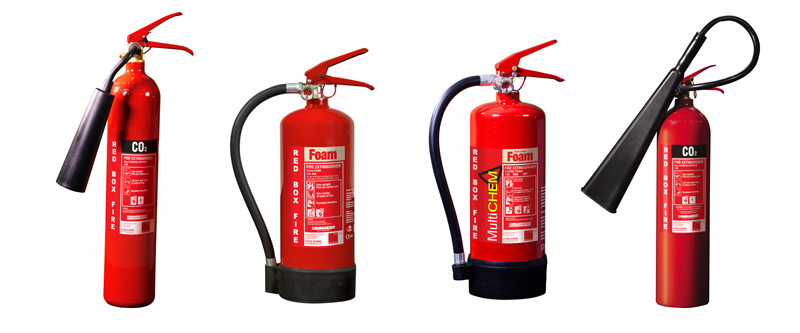
The three classes of fire extinguishers were designed to fight fires that differ in their type and. Class A can be used on normal combustible substances like paper, wood and cloth while Class B covers flammable liquids such as oil and grease but not gasoline as it’s an ignition source instead of a pure liquid one. If you have a problem that involves chemical reactions, the second category C consists entirely of outgassing chemicals.
The Class C extinguisher is designed for electrical fires. Many extinguishers use dry ammonium-phosphate. Some also use Halon which was taken out due to its harmful impacts on earth’s atmosphere layer. Although these firefighting equipment was designed for homes at the time they were developed and are still used today, you’ll find them on expensive electronic devices like televisions and computers.
An extinguisher for fire can be employed to put out any kind of flame. Firefighters advocate all-purpose ARC and B:C types for home fires, since they perform better than other formulas when dealing in oil-related or grease-related emergencies but it’s vital to not to just use these two chemicals interchangeably because their actions on different kinds can differ significantly based on the type of fire you’re fighting.
The right tools are essential to combat fire. Extinguishers of high-quality can in this process. They are able to provide swift help from fires of various sizes and kinds.
A rating system was developed to assess how well these products work: Class A refers to approximately one gallon per class. per class while B indicates that 2 square feet should be covered before impact occurs.
It is crucial to have fire extinguishers at your house in the event that there is going to be any kind or size of fire. They should be thrown out after ten years. They could lose their effectiveness and cause danger.
For more information, click fire hydrant flow testing