The use of electric vehicles (EVs) as more people opt for eco-friendly modes of transportation have increased dramatically over the last few years. In tandem, the need for EV charging infrastructure has risen dramatically and is a sign of the need for greater comprehension of EV charging processes. What exactly is EV Charging? And what is it?
EV Charging is the process through the battery of an electric vehicle is recharged by using electricity. The basic process is similar to refueling conventional vehicles with gasoline. However, there is one major difference, however: EVs are not powered by combustion fuels. Instead, they utilize the electricity stored in their batteries to power and propel their electric motors.
One of the most important aspect of EV charging is understanding the different types of charging options available. Each charging method has its unique charging speed, and can be used with various cars. Consider the various options available.
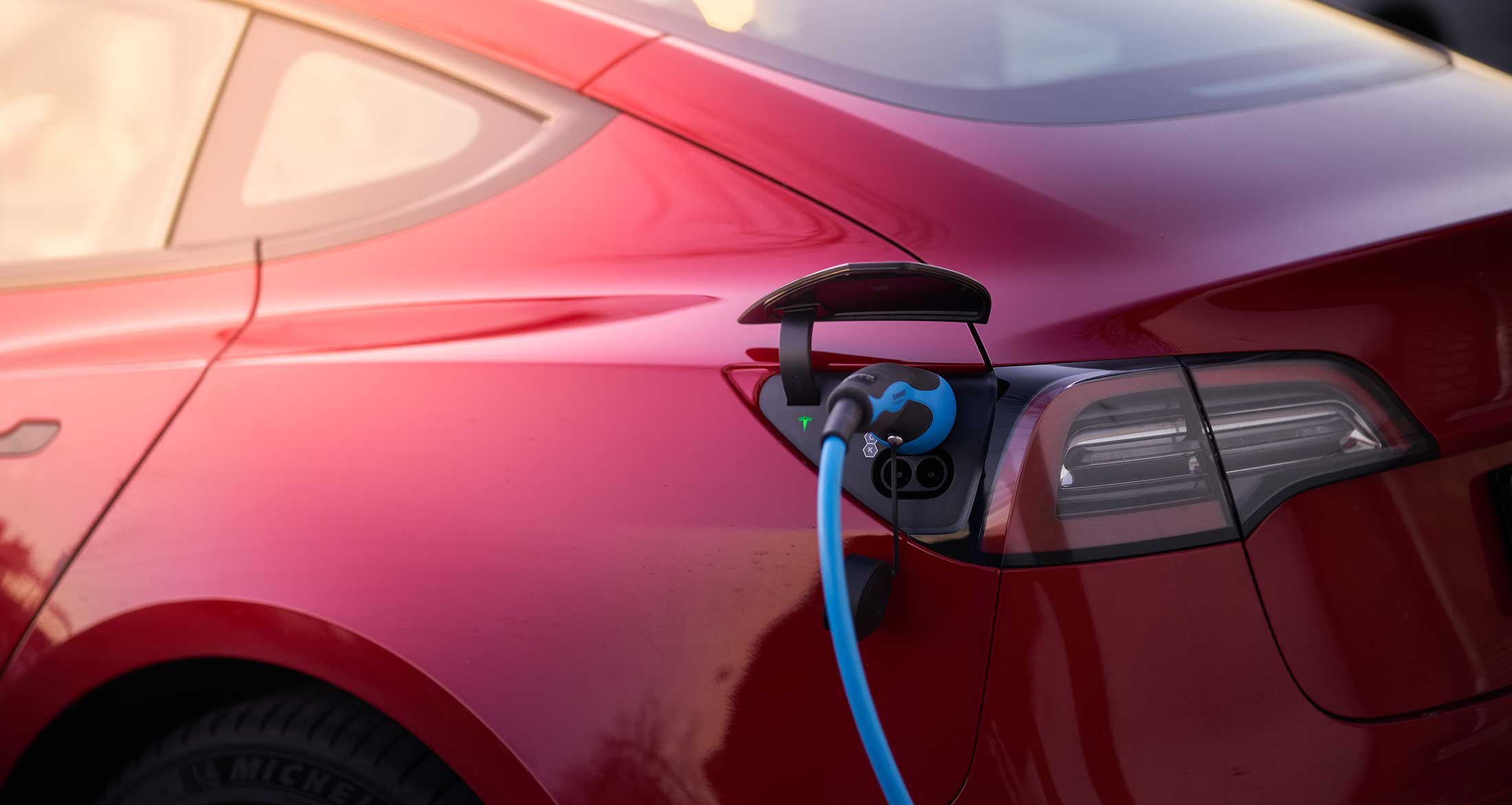
Level 1 Charging – This is the simplest method of charging an electric vehicle, which uses a 120 volt household outlet. Level 1 charging, although practical, can be quite slow. It could take up to several hours for an EV to be fully charged. This charging level is designed for charging overnight. For more information, click What is EV Charging
Level 2 Charger Level 2 Charger is able to operate with greater voltages (typically up to the 240-volt range). It also offers faster charging speeds than the normal charging. This option can be found in charging stations that are accessible to the public as well as in offices and homes with EV-specific charging equipment. Level 2 chargers are suitable for charging overnight at home, and they can dramatically reduce the time to charge compared to level 1.
DC Fast-Charging is also known as Level 3 Charging DC Fast-Charging is fastest option of three. It operates at much higher voltages and currents that allow for fast charging sessions that replenish an EV’s battery to 80% or more in just a couple of minutes. DC fast-charging stations can be located along major routes for travel, as well as in commercial areas. They are ideal for long-distance travel and rapid refills.
To EV owners, it is essential to know the charging options that are available so that they can make educated choices about when and where to recharge their vehicles. EV charging can be improved by taking into account aspects like the availability of charging stations as well as the convenience of charging speeds and.
Furthermore, the expansion of EV infrastructure is changing the way we think about refueling. Traditional gas stations are being augmented or even substituted by EV charging stations which reflect the shift towards a cleaner, more sustainable transportation ecosystem.
For a lot of EV owners who live at home, the convenience of charging cannot be overstated. Installing level 2 chargers at home ensures hassle-free overnight charging, so the vehicle can be driven early in the morning. Home charging can also be cost-effective, and it eliminates the need to regularly go to a public charging station.
While public charging infrastructures will always be essential, it’s especially important for long-distance journeys as well as for owners of EVs who do not have access to home charging options. As charging networks for public use expand, and charging technology improves, electric cars are getting more practical and affordable for a wide range of customers.
The integration of smart charging devices and renewable sources into the EV charger network also presents exciting possibilities for grid optimization. We can reduce carbon dioxide emissions and fossil fuel dependence by using renewable energy sources to charge electric vehicles, like wind or solar energy.
EV charging, as a result, is a key aspect of owning or operating an electric automobile. Through understanding the various charging options, as well the ever-changing environment of charging infrastructures EV owners can maximize their efficiency and convenience when driving. With the continued adoption of electric vehicles and renewable energy sources, the future looks bright for transportation.