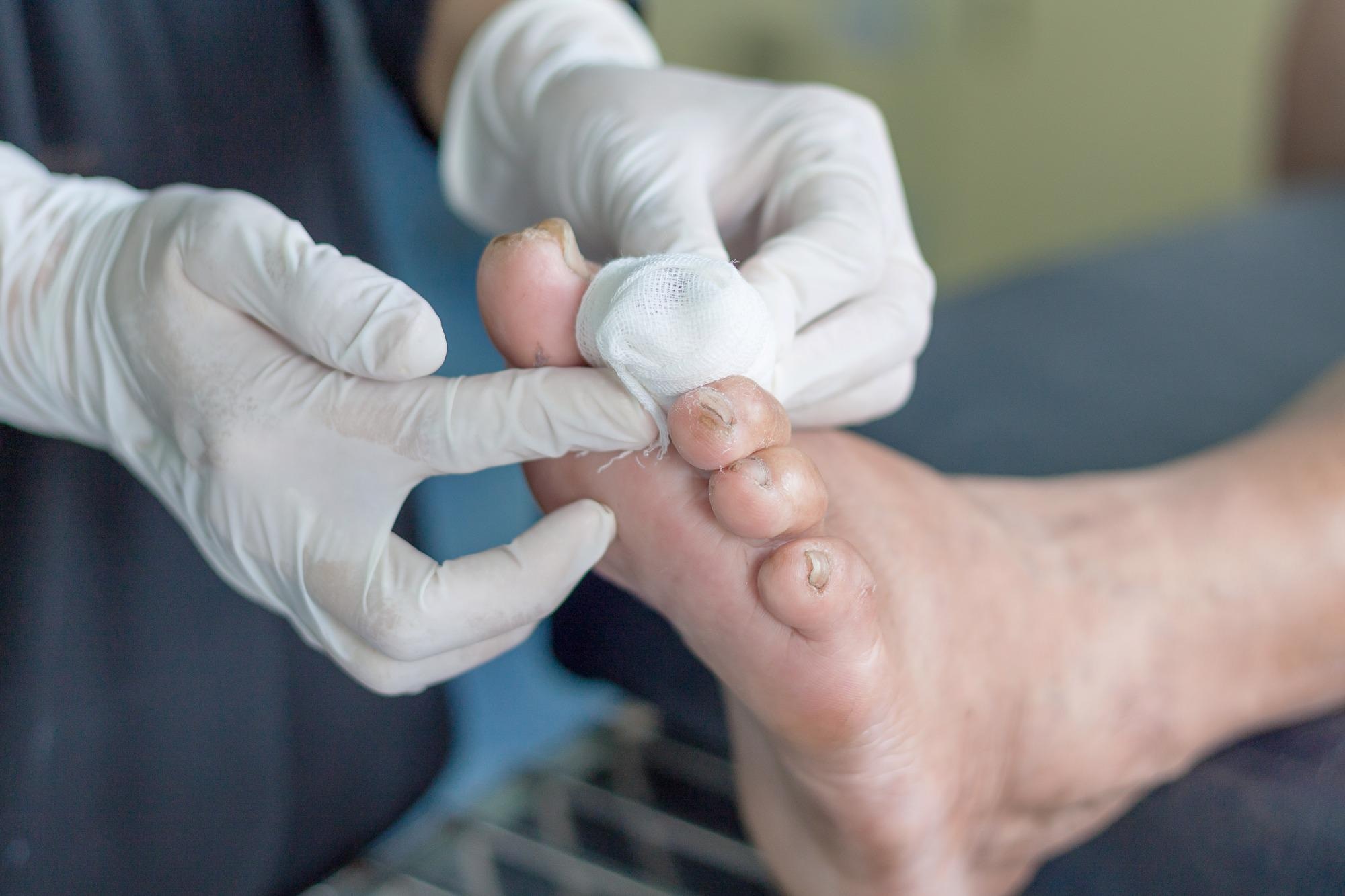
More than a quarter (25 percent) of American seniors are affected by diabetes, which is a chronic disease which causes a range of complication. One alarming statistic reveals that 10 to 15 percent of people with diabetes face the ominous specter of leg and foot ulcers. These seemingly innocuous wounds, if left unattended, may escalate to a point where diabetic foot amputation becomes an unfortunate reality. In fact, nearly 80 percent of amputations originate from foot ulcers. This highlights the need for a rigorous treatment and preventive measures.
The management of diabetes is a challenging issue that goes far beyond glucose control. For this reason, daily foot care is crucial to preventing diabetes-related amputations.
Understanding the Landscape
The complications of diabetes and their treatment are an intricate landscape to navigate. The prevalence of leg and foot ulcers in diabetics highlights the need for greater awareness and proactive care. As the statistics paint an uncompromising picture and it becomes clear that cultivating a deeper knowledge of the complexities is essential in fighting against amputations.
The Amputation Conundrum
Amputation is a looming threat for those with diabetes. It’s a reality that is more than simple statistics, impacting individuals at a personal level. From minor cuts to the possibility that diabetic feet may need to be amputated It’s a path of intense trauma.
Daily Footcare: A Protection from Amputation
A daily foot hygiene routine is the base of prevention of diabetes-related amputations. It’s more than an everyday foot care routine. It’s also a methodical practice to identify and address any potential issues before it gets worse. Each step in this routine is strategically to combat the amputations caused by diabetes.
Vascular Specialists: What is Their Function
Although vascular specialists might not directly manage diabetes however their expertise is crucial in reducing the complications associated with the disease. Making sure that the blood flow is optimal to the lower extremities is an important aspect of care, working towards alleviating discomfort in the legs and helping to heal wounds. This team approach is focused on one thing: to reduce the risk of amputations caused by diabetes.
Strategies for Preventing Amputation
The maze of diabetes-related amputation risk requires a combination of awareness, vigilance and expert intervention. For people who suffer from diabetes, taking a proactive position is vital. Regular checks with healthcare professionals including vascular specialists help in the early detection of diabetes and treatment.
Leg Ulcers, Beyond The Triggers to Consider
Leg ulcers, often the precursors to more severe complications, demand attention and knowledge. It is crucial to determine the causes that cause leg ulcers. Finding the cause for the ulcer, whether it’s poor circulation, neuropathy, or an amalgamation, allows for customized and targeted care.
Education as Empowerment
The most important thing is to educate people suffering from diabetes on the risk involved and preventative measures. In the healthcare environment and within the community in general, education initiatives can bridge the gap between awareness to actions. Knowing the consequences of wounds that appear harmless can prompt timely responses, potentially helping to avoid the need for diabetic foot Amputation.
Battles between private parties, triumphs for the collective
It’s more than an individual battle, but an enthralling collective effort to fight Amputations due to diabetes. Joining support groups with your healthcare provider or in your local community is a good way to share experiences to gain knowledge and develop ways to cope. The emotional strain of facing Amputation-related risks is tremendous, and a sense of community can give comfort and support.
Conclusion: The path to ulcers, diabetes and the risk of amputation are many-faceted. The daily foot health routine is the frontline defense, while the expertise of vascular specialists becomes a critical asset in mitigating problems. Diabetes patients can reduce the risk of amputation through educating themselves, taking preventive measures and developing a support system.