In today’s rapidly evolving manufacturing landscape, industrial robots and robotic manufacturing have emerged as key drivers of innovation and efficiency. Industrial robotics have revolutionized manufacturing, giving businesses various benefits that include increased productivity, quality and competitiveness. Manufacturing robots will play a growing role in shaping manufacturing’s future as demand for automation solutions grows.
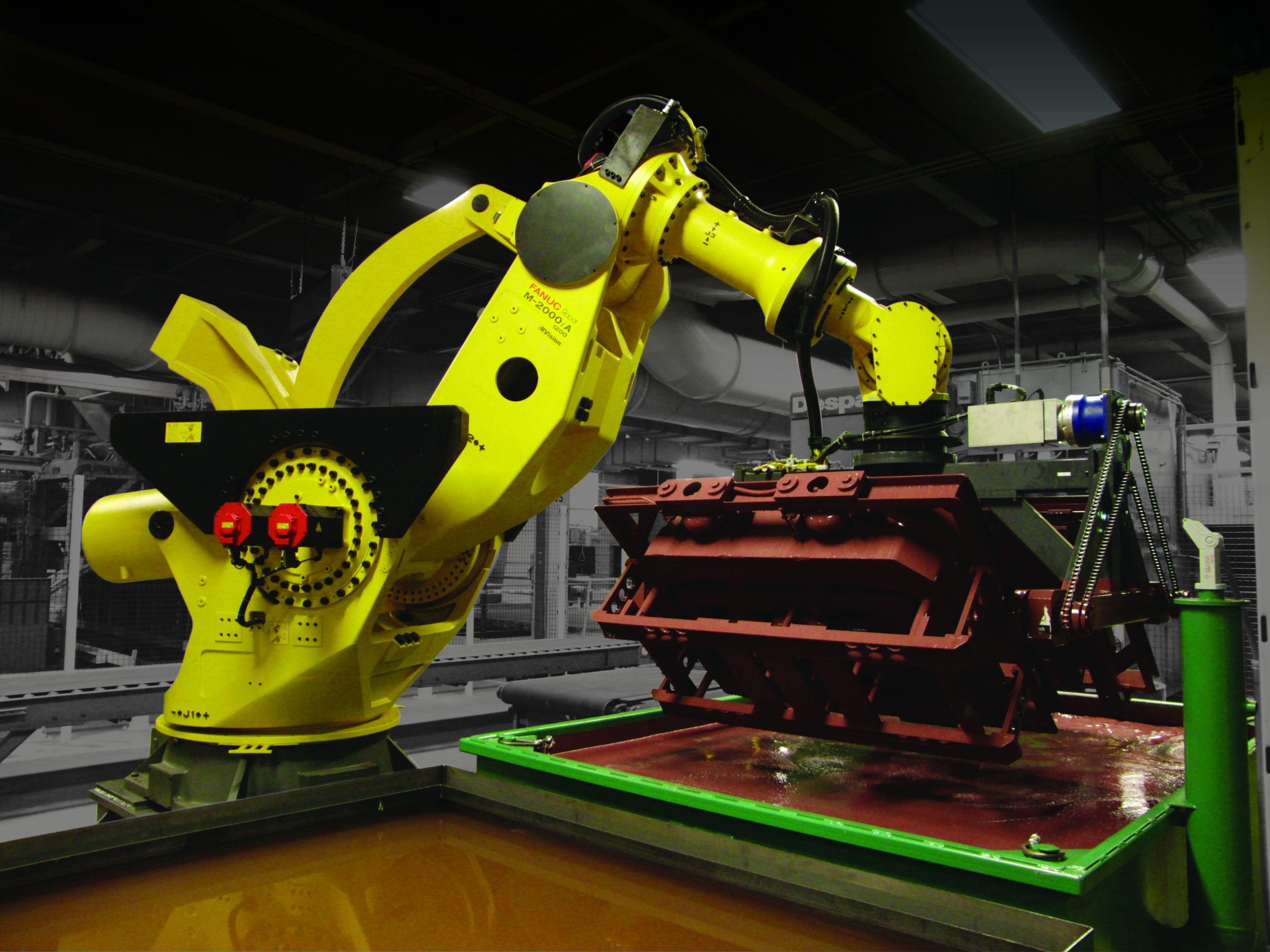
Manufacturing robots, sometimes referred to as industrial robots, are machines made to carry out various tasks within the production environment. These tasks can include welding or painting, assembly placing and picking, packaging and much more. Industrial robotics, which is the area of research and application of these robots, concentrates on improving efficiency and precision in manufacturing operations.
One of the companies at the forefront of this revolution is Automated Solutions Australia (ASA) that specializes in the design of industrial robots that provide flexible automation solutions to manufacturing clients. ASA’s industrial robots help clients gain an advantage in the market by increasing productivity and quality. ASA industrial robotic solutions are highly sought after by companies across a variety of industries, such as pharmaceuticals, electronics, and automotive.
Industrial robots offer many advantages. One of the most significant benefits is the significant improvement in efficiency and productivity. Industrial robots are able to perform repetitive tasks with precision and consistency, resulting in higher output rates and reduced cycle times. They do not just increase productivity, but it also helps businesses meet the growing demands of consumers.
Industrial robots also contribute to improved quality control in manufacturing processes. Robots are able to perform tasks with greater accuracy and greater quality and reliability. This results in better-quality products. In turn, this increases customer satisfaction and improves the reputation of a company to provide high-quality products.
Industrial robots aren’t only reliable and durable, they also save money. While the initial cost for the production of robots is expensive however, the benefits over the long term are huge. Businesses can reduce their operational expenses by streamlining processes, and reduce manual labor. Industrial robots are able to run 24 hours per day making the most efficient use of resources, while reducing the cost of production per unit.
The impact of industrial robots’ impact on the working environment is a further compelling benefit. The robots are designed to reduce noise levels. This makes for more relaxing and quiet working space. Their efficiency and speed make for a safer work environment as they reduce the chance of injuries and accidents that are associated with manual work.
The integration of industrial robots has a major impact on the creation of jobs as well as the future jobs. Although there are fears that robots could replace human workers, industrial robots are actually creating new jobs. They offer roles that involve programming robots maintenance, supervision, and control, as well being the development of cutting-edge technology to aid in robotic manufacturing.
Businesses across all sectors profit from this technology as the manufacturing industry embraces the potential of industrial robotics. Industrial robotics is able to increase efficiency, cost-effectiveness as well as the quality of products. It is revolutionizing manufacturing processes and setting new standards of excellence.
In conclusion, manufacturing robots are a new paradigm in manufacturing. These cutting-edge technologies allow firms to attain unprecedented levels in efficiency, precision and competitiveness. Industrial robots will play a crucial part in ensuring that the need for automation grows. They will help define the future of manufacturing and spur the pace of innovation.