The retaining wall blocks have evolved from their original function to become the organizers of the outdoor canvas. They’ve evolved into versatile components that seamlessly combine functionality and aesthetics, becoming an essential feature in modern landscape designs. This research reveals the many advantages of retaining wall block by shedding light on their transformative potential in the outdoor environment.
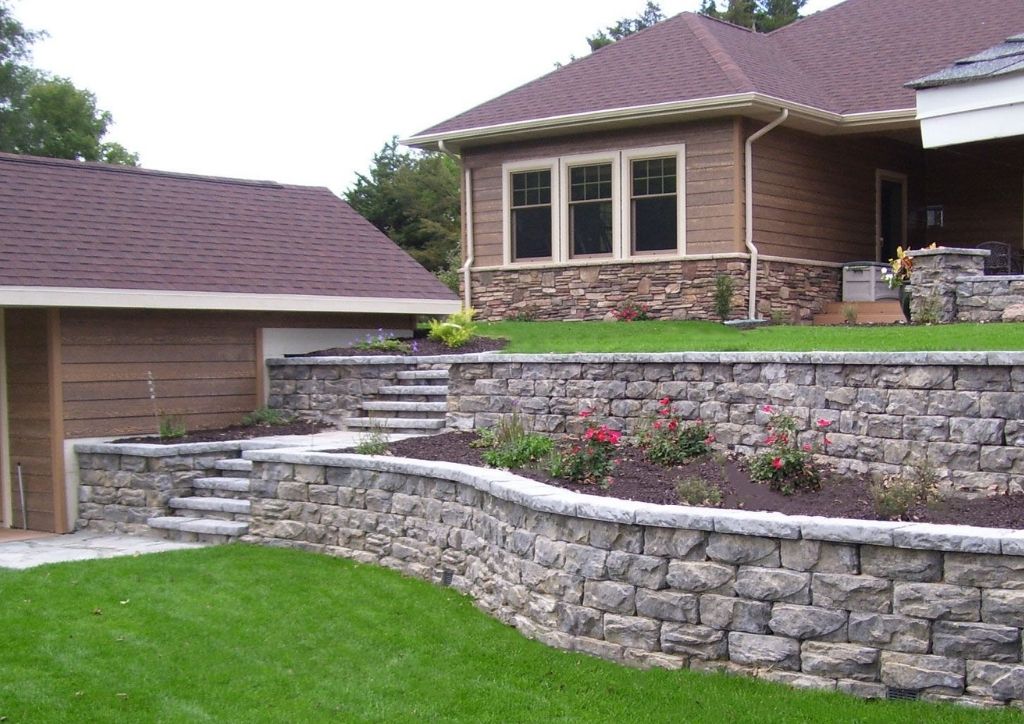
With a range of sizes, shapes, and colors Retention wall blocks provide a new way to design hardscapes. They offer homeowners to express their individual aesthetic designs. If they are made of the raw elegance of natural stone or the robust embrace of concrete, these block offer a wide range of possibilities for design. Landscape architects and designers utilize blocks to create stunning and cohesive outdoor spaces that show the distinctness of the landscape.
Under the Surface Allure Guardians of Stability
Beyond their visual allure, retaining wall blocks unfold a plethora of functional benefits. As staunch protectors against erosion of soil, they play the role of guardians, conserving the natural beauty of landscapes and shielding spaces from water erosion runoff. These blocks provide stability in areas of uneven or slope making irregular landscapes levels that can be used for peaceful living outdoors or lush gardens.
Property owners looking to elevate their landscapes without spending a fortune, retaining wall blocks come out as a smart and affordable choice. Their simple installation procedure and minimal maintenance requirements make them a cost-effective solution. These blocks not only provide visually stunning retaining walls but endure the elements, providing long-lasting durability without sacrificing aesthetics.
Versatile Sculptors: Defining Outdoor Living Areas
Retaining wall blocks are no longer merely functional blocks for walls. They’ve become sculptures that create outdoor living spaces. Homeowners can design zones for various activities, for example, outdoor dining, lounging and gardening, by strategically integrating retaining wall blocks. Beyond being functionally delineated the blocks can be used as a versatile design element, making privacy barriers, or highlighting specific features of the landscape, like water installations or sculpture gardens.
Precast concrete retaining wall landscaping blocks are notable for their effective stacking capacities. The blocks can be stacked up to three levels high before the requirement for geo-grid reinforcement to strengthen the soil. As walls increase in height, more complex configurations will be required to ensure durability and stability. With precision-designed interlocking systems the blocks create an extremely solid foundation for landscaping projects. Geo-grid reinforcements provide toughness and strength to walls of retaining, allowing them to stand up to the soil’s pressure.
Choosing the Right Block for the Right Ambiance
To choose the best retaining wall block, it is important to take into consideration factors such as the size, color and texture, and how they’ll integrate into your outdoor surroundings. The choice of retaining walls is influenced by functional aspects such as height and soil retention. This careful selection will not the structural integrity, but also visual harmony, making the design more appealing.
Final: A Symphony of Resilience
In the end, retaining walls blocks emerge as transformative elements in landscape design, contributing to resilient and sustainable landscaping practices. These seemingly unassuming blocks, thanks to their infinite design possibilities in their capacity to stabilize and ensure the protection of living spaces, turn into silent guardians, defining outdoor spaces and weaving a tale of harmony and permanence across the landscape. They are used for their aesthetic beauty or practicality, the retaining wall block builders are creating the sounds of nature’s magnificent outdoors.