In the complex system of control for fluids, the seamless integration between solenoid valves and actuated ball valves play a pivotal role. These parts, which are usually unnoticed heroes in various industrial applications, work to create a dynamic duo that allows precise and automated control over fluid flow. Let’s explore the world of solenoid valves and actuator valves. We’ll look at their functions and explore the symbiotic connections that drive fluid management.
Solenoid valves are the gates operated by electricity to regulate fluid flow, are the key to a seamless control for a multitude of different applications. These valves are instrumental in piloting air actuated balls valve and butterfly valves, giving a new layer of accuracy and efficiency to control of fluid systems. Solenoids are valves that can respond to electrical impulses. They function as orchestrators and determine the time when the path of fluid should be shut or opened.
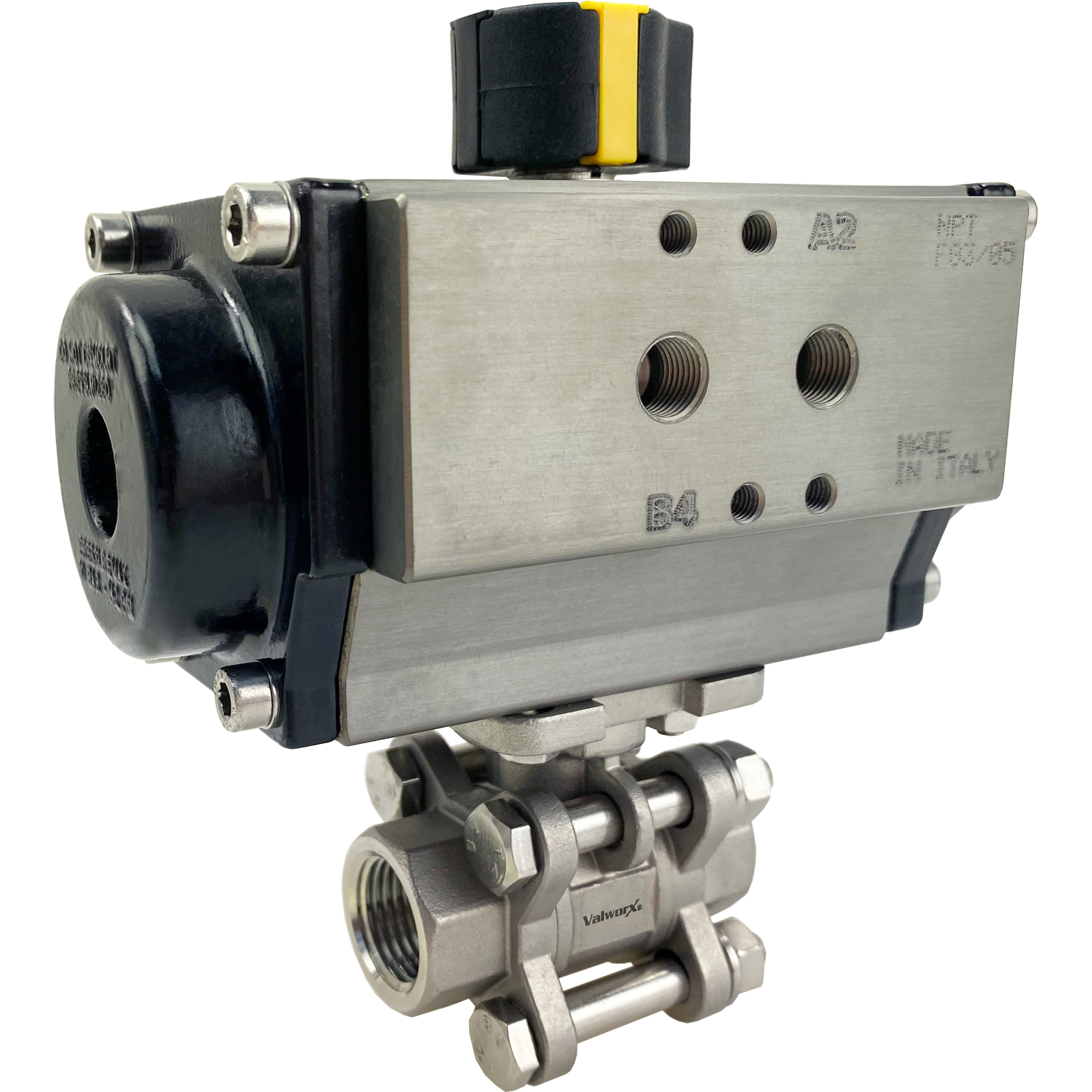
Solenoid valves can be used with both double-acting, air and spring return actuators. This allows them to adapt to a variety of operational demands and makes them an ideal choice for various industries. The NAMUR standard mounting pad makes it easier to manage the integration by allowing an easy connection to the air actuator.
Actuated Ball Valves Controlling Automated Fluid Positioning
The ball valves with actuators, in contrast brings automation into the physical movement of valves. They are powered by electric or pneumatic actuators that automatically move into the desired position. This allows for free-of-hands fluid control. By combining solenoid and ball valves, a system is created where mechanical movement meets electrical precision.
Ball valves with actuation is an excellent choice for applications where precision and dependability are vital. Its ability to regulate the flow of fluid with accuracy is a perfect choice when it comes to tasks that require either the ability to turn off or modify control. Ball valves that are activated can control the flow of air, water or oil as well as other compatible media.
Solenoid Symphony Air Actuated Ball Valve
A partnership between solenoid and air actuated valves is similar to a symphony where each piece plays an important role in achieving harmonious control of fluid. Solenoid controls, that respond to electrical signals, which control the closing and opening of the fluid flow, are conducted by solenoid valves. The electrical signal guides the air-actuated valve to perform a dance that is precisely controlled to regulate the flow.
The symphony truly stands out because of its integration through the NAMUR mounting pads. This standard connection makes assembly easier and allows for a fast and secure connection between air actuators and solenoid valves. It’s a seamless integration that converts electrical signals into physical motion, providing the highest level of precision that is in line with the strict demands of industrial applications.
Navigating Modulation The Dynamic World of Ball Valve Control
Ball valves, whether operated or not, are well-known for their versatility for fluid control. Their ability to regulate flow of air, water and oil as well as other suitable media makes them an indispensable component in a wide range of industries. Actuated ball valves, fueled by the power of solenoid valves. They take this versatility to new heights.
In situations where the need for flow of fluids varies the need for control modulation becomes crucial. This is best accomplished by actuated, ball valves that are controlled precisely by solenoids. If it’s about adjusting the flow rate of cooling water process or controlling the release of air within a pneumatic process, the dynamic world of control for ball valves ensures that the fluid responds precisely to the demands of operation.
In order to achieve optimal performance and endurance it is essential to have the widest range of ball valves is crucial. Industries require solutions that not only meet their current needs but can also stand the test of time in a variety of operational conditions. There are a variety of ball valves that are available on the market, all of them provide high-quality efficiency and longevity.
Whether it’s a requirement for a compact, manually operated ball valve or a sophisticated, electrically actuated ball valve, the options are vast. To make the right decision you must consider aspects like the type of fluid used, the operating pressure, temperature and requirements for the particular application. With this wide range of options industries can develop fluid solutions tailored to the specific needs of their customers.
Conclusion: The Precision Dance of Solenoid Valves and Actuated Ball Valves
A high degree of precision is vital in fluid control. This is why the combination of solenoid valves to ball valves that are actuated shows this to perfection. The electrical control of solenoid and actuated valves effortlessly blends to manage the flow of fluid with incredible precision.
The symphony plays a role in fluid control. From NAMUR mounting plates which provide secure attachments to actuated ball valves that automatically turn when solenoid signals are received each element plays a vital function. To ensure stability, scalability and efficiency in the process of control of fluids, solenoid valves that are actuated ball valves are the most important component. They provide a new world of possibilities for precision fluid control.