The condition of residential oil tanks is not often taken into consideration by homeowners, but these tanks are vital to the security and comfort of the home. Oil tank replacement is an important investment which should be considered a top priority for homeowners since it directly affects the infrastructure and environmental safety of the home.
Residential oil tanks serve as the untold heroes of a home. They serve as fuel for heating systems as well as hot water systems. However, over time, corrosion can set in, leading to potential leaks and environmental risks. Homeowners need to evaluate the state and priority of their oil tanks. The replacement of your oil tank is more than an economic decision. It’s also a means to safeguard your home from damage and to ensure an ongoing supply of heating oils. For more information, click oil tank replacement near me
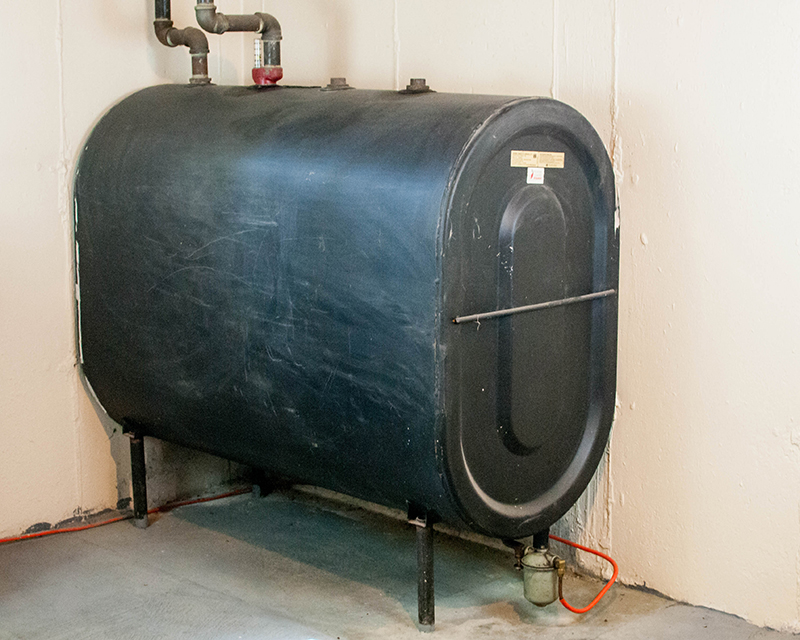
Take into consideration the Cost
The financial aspect of replacing the oil tank is a significant consideration for homeowners. The price for an oil tank replacement can vary according to factors such as the size of the tank, its placement as well as whether there are environmental regulations. For budgeting it is vital to obtain accurate cost estimates. It’s a significant initial investment but it’s essential to ensure the safety and efficiency.
Factors Influencing Replacement Costs
Different factors impact the oil tank replacement cost. The size and shape of tank, the accessibility to the installation site as well as the environmental remediation requirement and the compliance with safety and building codes are all elements. Homeowners must be aware of labour and material costs as well as any improvements which may be required. Homeowners will be able to make better decisions regarding the replacement cost if they are aware of these elements.
Prioritizing Environmental and Safety Considerations
Environmental and safety considerations take place at the forefront of any replacing of oil tanks. The older tanks are more susceptible to leaks and corrosion that can cause groundwater and soil contamination. Removing damaged tanks reduces the risk of environmental damage, and protects the surroundings and property. Also, ensuring that you adhere to the strict standards of safety when installing new tanks reduces the risk of accidents and helps ensure the safety of your family.
Choosing a Reliable Service Provider
To ensure a smooth, secure replacement procedure, it’s vital to select a trusted service company. A homeowner should seek out certified professionals with experience in oil tank removal and installation. It is best to choose an expert service provider with experience in oil tank removal and replacement. They must also be committed to the environment, safety responsibility, and a higher degree of professionalism. Trustworthy professionals ensure that any replacement requirements for oil tanks are handled with professionalism and confidence.
The Long-Term Benefits of a Business Outweigh the Initial Costs
Although the expense of replacing an oil tank might initially appear high, the long-term benefits are worth the cost. Replacement of old tanks helps homeowners to avoid expensive environmental remediation and property damage caused by leaks. New tank installation offers improved safety and effectiveness, offering you peace of security. In the end, replacing your oil tank is an effective measure that helps protect homes, promotes the environment, and contributes to longevity of comfort and security.
In the end, oil tank replacement isn’t just a cost-effective investment but an essential element for homeowners to ensure the safety, functional, and sustainability of their home. When they understand the importance of replacing the tank, evaluating its costs, and focusing on the safety and environmental aspects homeowners are able to make informed choices. Homeowners can safeguard their home by proactively maintaining their homes and replacing older materials in a responsible way. This can contribute to creating a more sustainable and safe living environment.