When it comes down to maximizing efficiency and performance, the fuel quality is a crucial factor. With time diesel fuel may become contaminated with impurities, like water, sediment, and microbial growth, which can adversely affect the engine’s performance and cause costly repairs. Polishing your fuel is a fantastic method to make sure that your engines run without a hitch and to combat contamination of fuel.
Fuel polishing is also called diesel fuel polishing. It involves the elimination of impurities and contaminants from diesel fuel. Professionals use modern equipment and techniques to restore the fuel to its ideal condition. Fuel polishing increases engine efficiency and lowers maintenance costs through the elimination of harmful chemicals.
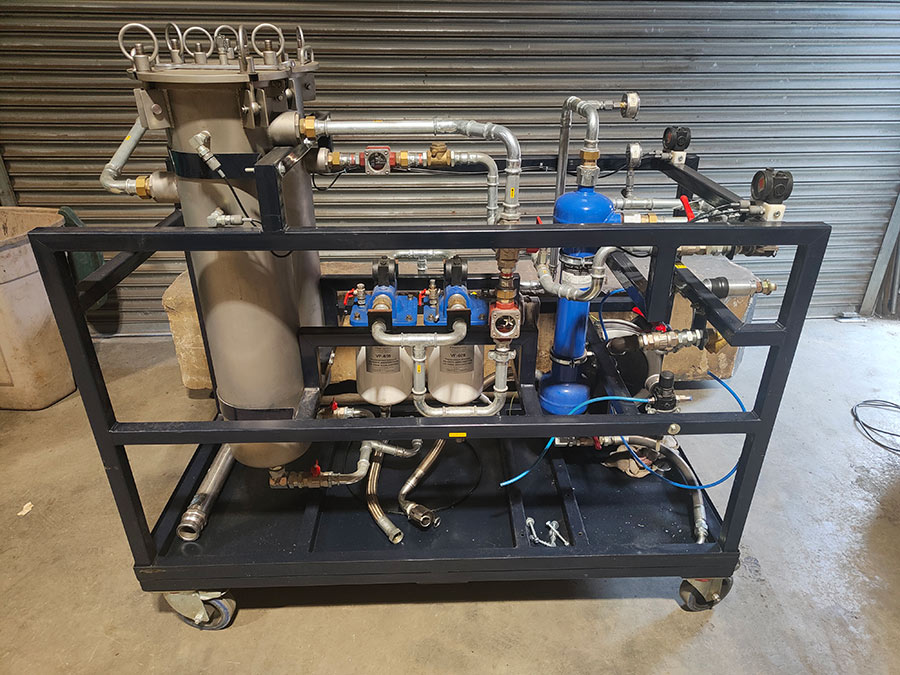
Many fuel polishing services are readily available to satisfy the diverse needs of industries that rely on diesel fuel. These services are provided by skilled technicians who have been trained to the highest standards and are experts in fuel systems who understand the complexity of contamination in fuel. Their in-depth expertise and specialized tools enable them to identify issues related to fuel and employ the appropriate fuel polishing methods.
The main purpose of fuel polishing is to get rid of contaminants such as water, sediment, sludge or microbial contaminants from diesel fuel. The accumulation of water within fuel tanks can be caused by condensation or leaks, that can cause corrosion, degrading fuel as well as the growth and spread of mold and bacteria. Sediment on the other hand is the result of impure substances or degradation of components of the fuel. These contaminants can clog injectors and filters, leading to lower engine performance.
Fuel polishing typically requires a series of steps. The process begins with a fuel analysis, followed by a sample to determine the degree of contamination and the best method of action. Following the analysis, technicians employ filtration systems in order to remove contaminants and impurities from the fuel. They employ a variety of filtering media and techniques to remove and separate pollutants, while leaving clean diesel.
Regular fuel polishing offers several key benefits. In the first place, it increases the quality of the fuel. This guarantees engines receive clean and constant fuel that allows them to burn optimally. This is, in turn, increases the efficiency and efficiency of fuel and leads to savings in costs and reduced emissions. Additionally, polishing the fuel helps reduce the risk of engine damage and breakdowns caused by fuel that is contaminated. It helps to maintain the durability and integrity of engine parts by eliminating harmful substances. For more information, click Diesel polishing
Diesel polishing is a regular process that offers many benefits to ensure the quality of fuel. It helps remove contaminants like water, sediments, as well as microorganisms which can adversely affect engine performance. The fuel’s quality is greatly improved because of the removal of these impurities via the process of polishing diesel. It also increases the efficiency of combustion and decreases emissions. Furthermore, regular polishing of the diesel prevents clogging of fuel filters, injectors, and other crucial components, reducing the possibility of engine damage and expensive repairs. In addition, by reducing the accumulation of corrosion and sludge, regular fuel polishing ensures the durability of storage systems. Regular diesel polishing or fuel cleaning can enhance engine performance and decrease cost. It also increases equipment reliability.
Fuel polishing can also be tailored to meet the demands of different industries and application. The process of polishing fuel is a versatile solution that can be used to prevent fuel contamination in many industries. From backup generators and marine vessels to construction equipment transport fleets and construction equipment fuel-polishing offers a range of options to tackle fuel contamination. Polishing the fuel is vital in industries that require an unreliable and uninterrupted power supply. It’s also important for those working in harsh and remote environments, where fuel quality can be compromised.
In the end, fuel polishing is an essential process that ensures the cleanliness and quality of diesel fuel. It improves engine performance decreases maintenance costs and increases the life of equipment through the removal of impurities and contaminants. By investing in professional polishing techniques, businesses are able to protect their operations, enhance performance and reduce the risk that comes with contamination of the fuel. Fuel polishing will help unlock the power of diesel fuel and allow you to propel your business ahead.