All industries, in the present data-driven world, rely on artificial intelligence (AI) as well as machine learning (ML), to extract valuable insights out of vast amounts of data. Image annotation is a crucial computer imaging technique that plays a important role in making visual data understandable. In this article we explore the realms of image analysis. We also look into the importance of software, tools and solutions that facilitate data-driven decision-making.
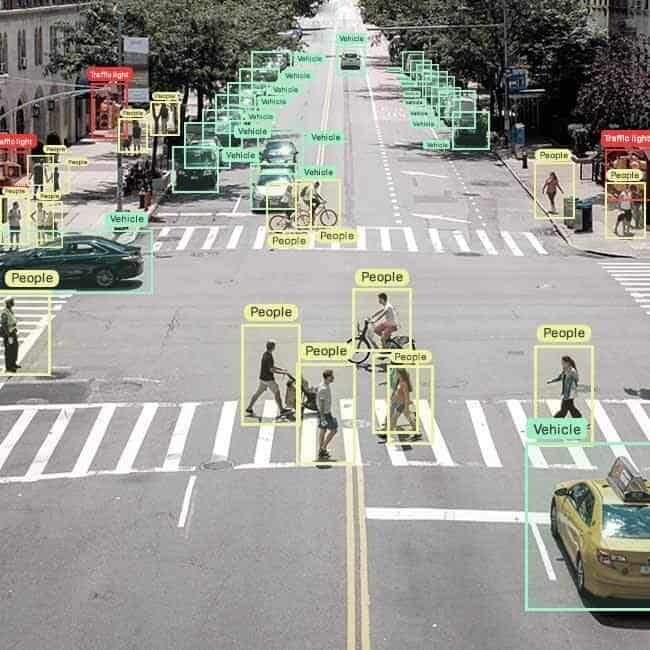
Image annotation consists of tagging or labeling images using metadata, allowing computers to understand and interpret images with precision. By adding annotations such as bounding boxes keys, polygons, keypoints or semantic segmentation image annotation makes it possible for ML models detect patterns, objects, and features within images. This method bridges the gap between raw images and actionable insight, opening the way to a variety of applications, like autonomous vehicles medical imagery, ecommerce, and surveillance.
To speed up the annotation process, a wide assortment of annotation tools have been designed. These tools come with intuitive interfaces that let users easily mark images or objects of interest. They offer a variety of annotation options, as well as customizable features to suit different requirements for data. Image annotation tools are accessible in a range of options, such as basic drawing tools, advanced shape recognition, and automatic annotation suggestions. This gives annotationists to work effectively and precisely.
Image annotation solution takes the annotation process to the next level by incorporating automation and collaboration features. These applications employ ML algorithms to automatize annotation, reducing the manual effort and increasing annotation speeds. Through techniques like active learning and transfer learning, annotation software accelerates the process of labeling while providing high-quality results.
Furthermore, annotation software facilitates collaboration between multiple annotators and teams, allowing them to work in a seamless manner. It enables real-time communication with annotations, annotation versioning and comments, as well as fostering an environment of collaboration. This approach to collaboration improves annotation quality, and encourages sharing of knowledge and ensures uniformity between annotations.
When selecting an image annotation software there are a variety of factors to take into consideration. The solution must be able to satisfy the requirements of the project. This includes the kind of annotations needed (e.g. bounding boxes keys, polygons, keypoints) along with the complexity and scalability.
In addition, the flexibility and flexibility of the solution is important. An effective annotation system must be able to customize annotation workflows and integrate with existing data management software. It must also be compatible with a variety of formats for data. This flexibility will enable the annotation software to integrate seamlessly into existing workflows.
Thirdly, it is essential to assess the accuracy of annotations that the software creates. The most reliable image annotation software uses quality control mechanisms to ensure accuracy and consistency in labeling. These methods include inter-annotator agreement checks, annotation validity, and continuous feedback between the annotators.
Image annotation has a far-reaching impact that extends beyond the act of annotation. An image annotation tool, solution and software can assist companies maximize the value of their data in several ways. In the first place, precise annotations facilitate the training and development of ML models that have higher precision and resiliency. The models can be applied to various tasks including object recognition, image classification and detection of anomalies.
In addition, image annotation aids data-driven decision-making through providing deep and insightful insights from the images. Images that are annotated with medical information, as an example can be used in the field of healthcare for diagnosing diseases, identifying anomalies, and formulate treatment strategies. Images are often used to make annotations in e-commerce to support image search functionality, visual merchandising, and product recommendations systems.
The integration of image annotation combined with data science has revolutionized the way we work, making an asset that is valuable. It accelerates data analysis, uncovers connections that are not obvious and gives real-time information. With the help of image annotation, organizations can streamline their processes, reach market faster, reduce costs, and gain a competitive edge. Annotated images are more readable and helpful for all employees in any business because they allow for the visualization of concepts better than abstract diagrams. When used correctly, image annotation is an effective method to turn data into actionable information and enhance the effectiveness of all applications.